
THE CANNABIS BRAND
LICENSING ACCELERATOR™
The structured path from single-state success to multi-state growth.
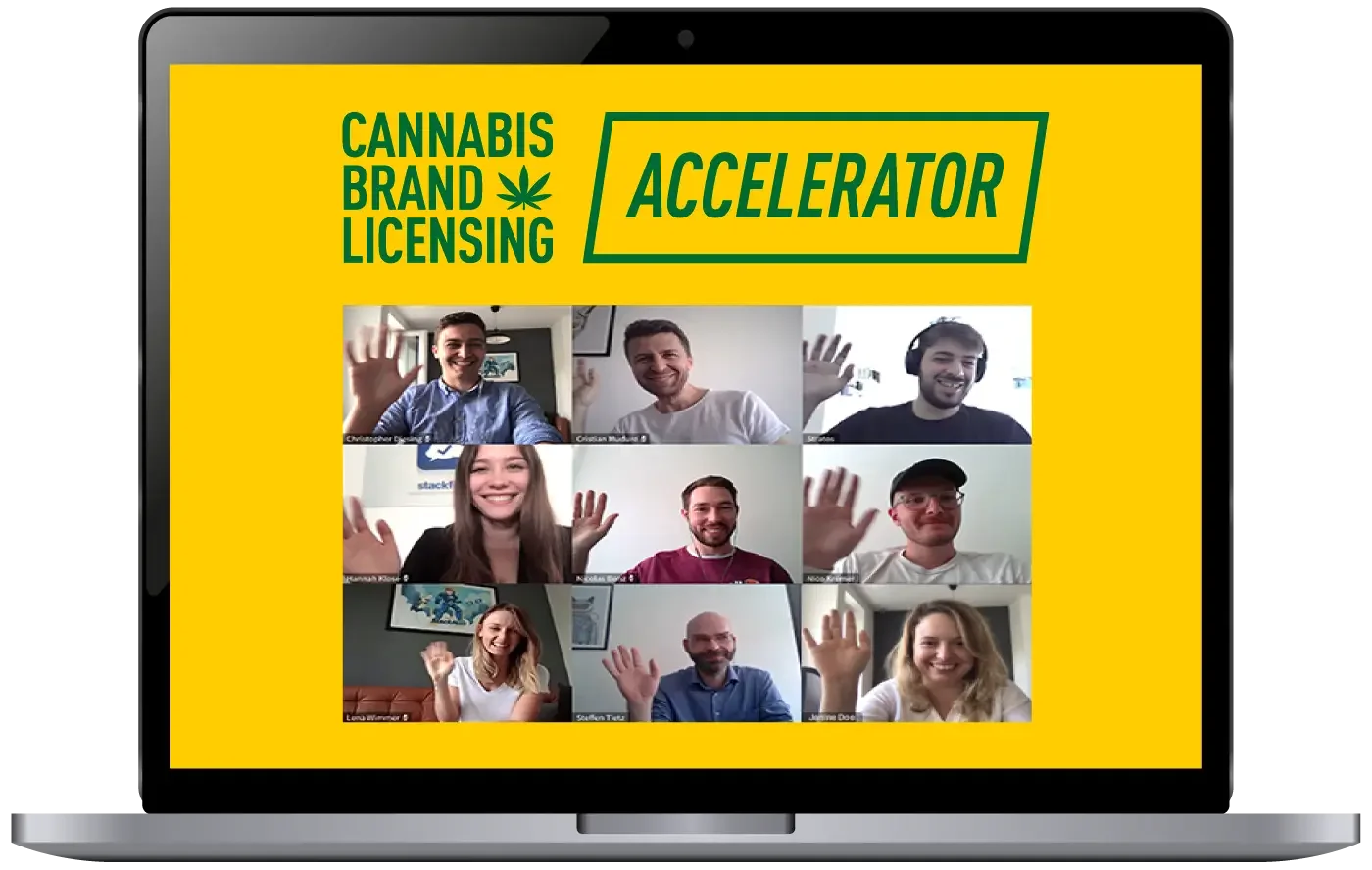
We help cannabis brands protect what they’ve built, partner with the right licensees, and scale smart.
Whether you're just starting to build your cannabis brand or you're already a leader in your local market, expanding beyond state lines isn’t just about ambition—it’s about having the right strategy. Without solid intellectual property protections and vetted licensee partnerships, your brand is vulnerable to dilution, misrepresentation, or outright theft. That’s where brand licensing comes in. It’s the business model that allows cannabis entrepreneurs to grow without touching the plant in every market. Want to know how it works—and why it may be your brand’s smartest next move?
SECURE, SCALE, SUCCEED.
Building Brands Designed To Scale
The cannabis industry doesn’t need more brands. It needs brands capable of scaling with clarity, consistency, and trust.
Through executive education, strategic advisory, online courses, and The Cannabis Brand Licensing Accelerator™, we help successful cannabis operators evaluate, structure, protect, and expand their brands beyond a single state. From intellectual property and licensing strategy to partner selection, onboarding, and go-to-market execution, our focus is on helping brands grow intentionally.
Led by David Paleschuck, MBA, Certified Licensing Specialist (CLS), with more than 14 years of hands-on experience in the legal cannabis industry and over two decades of experience in brand strategy, partnerships, commercialization, and consumer engagement for companies including PepsiCo, Microsoft, American Express, and MasterCard.
David is the author of "Branding Bud: The Commercialization of Cannabis" and "Cannabis vs. Marijuana: Language, Landscape, and Context." He is widely recognized for his expertise in cannabis branding, licensing, intellectual property strategy, and multi-state brand expansion – helping operators build brands designed not only to resonate, but to travel.

THE ACCELERATOR: WEEK-BY-WEEK
WEEK #1
The U.S. Cannabis Market & How Brand Licensing Fits
Session Overview:
Most cannabis founders think about expansion before they understand the battlefield. Week 1 grounds the cohort in the reality of the U.S. cannabis market—how brands actually perform across legal states, where value is created, and where it quietly erodes.
From there, we introduce cannabis brand licensing within the broader ecosystem of growth models. Not as a buzzword or shortcut, but as a structured, high-stakes business model that only works when the foundation is right. This session ensures you’re not building your expansion strategy on assumptions.
We also set the tone for the cohort experience itself, establishing a high-trust environment rooted in privacy and respect. You’ll be introduced to the program cadence, including weekly assignments, and begin building connections through participant introductions and ongoing randomized 5-minute 1:1 sessions designed to foster meaningful peer insight.
What’s Covered:
General lay of the land and understanding relative to legal cannabis markets
The nuances between State cannabis markets (new vs mature, etc.)
Brand Licensing basics and how it fits in
What licensed brands are succeeding and why?
Guest Speaker:

Cy Scott
Co-founder and CEO, Leafly and Headset
Cy is the Co-founder and CEO of Headset Inc., where he leads the development of data-driven solutions that help cannabis operators navigate evolving markets. Cy previously co-founded Leafly, playing a key leadership role as it grew into a leading cannabis consumer platform serving millions of monthly users.
WEEK #2
Is Your Brand License-Ready?
Session Overview:
Most cannabis brands don’t have an IP strategy. They have a name, a logo, and a false sense of security. Week #2 focuses on the foundation on which everything else depends: intellectual property acquisition and control. Because if you don’t properly own your brand legally, structurally, and defensibly, there is nothing to license.
This session moves beyond theory and into the mechanics of ownership: how IP is created, secured, and documented, and where brands unknowingly lose control early. Participants will evaluate their own IP position in real time, identifying gaps, risks, and misconceptions that could undermine future deals before they even begin.
What’s Covered:
The difference between having a brand and owning one
How IP is acquired in cannabis:
Trademarks (state vs. federal)
Copyrights
Trade secrets
Ownership vs. usage vs. control (and why most brands confuse the three)
What early decisions (partners, designers, agencies) impact IP ownership
Common IP acquisition mistakes that weaken brands long-term
What “clean” IP looks like to future partners, investors, and licensees
How to begin structuring your brand for defensibility
Course Outcomes:
A clear understanding of what you actually own—and what you don’t
Visibility into gaps in your IP acquisition and documentation
A prioritized list of what must be secured, assigned, or cleaned up
Greater confidence in your brand’s legal foundation
A stronger position for future licensing, partnerships, or investment
Guest Speaker:
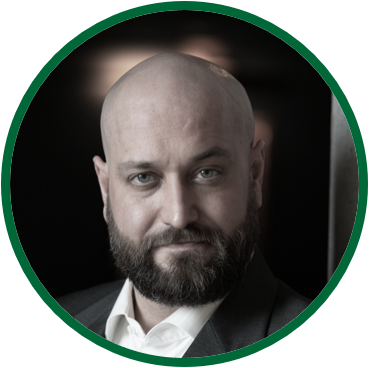
Luke S. Zimmerman, Esq., LL.M
Principal, Law Office of Luke S. Zimmerman APC
Luke focuses on how cannabis brands acquire, structure, and protect their intellectual property, helping founders understand where ownership gaps arise and how to fix them before they become liabilities. His work centers on emerging industries and innovative tech ventures specializing in AI, intellectual property strategy, and brand protection.
WEEK #3
Developing Your Brand Licensing Strategy
Course Overview:
Once a brand is deemed license-ready, the next failure point is strategy. Too many founders treat state selection as a map exercise rather than a business decision—chasing population size, hype, or inbound interest without understanding how regulatory structure, operator behavior, and market dynamics shape brand outcomes.
This session reframes expansion as a sequencing problem rather than a land grab. Participants learn how to evaluate markets not just for revenue potential, but for brand survivability. By the end of the session, founders stop thinking in terms of “where can we go?” and start thinking in terms of “where should we go first—and why?”
What’s Covered:
State-by-state regulatory structures and their impact on brands
Market sequencing and why first markets matter
MSO-heavy vs. independent-operator markets
Distribution models and retail power dynamics
Cultural fit and regional consumer expectations
Guest Speaker:
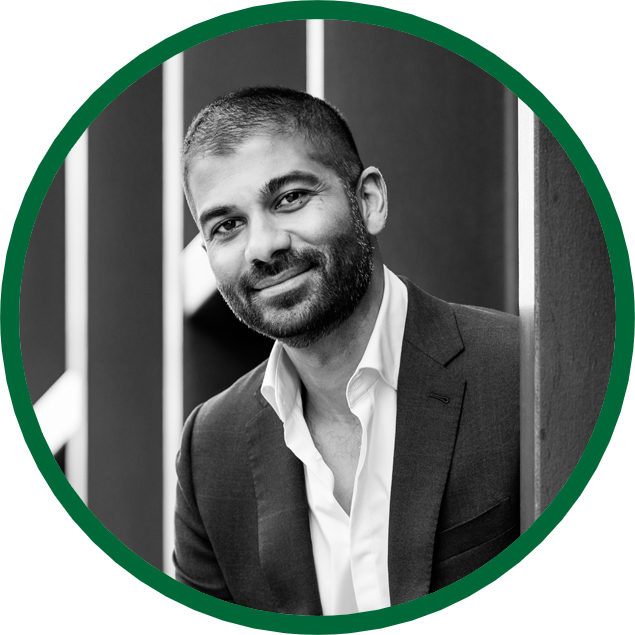
Hirsh Jain, CEO, Ananda Strategy
Hirsh is the CEO of Ananda Strategy, a cannabis-focused advisory firm serving brands, retailers, and operators across the U.S. and Canada. His work spans licensing strategy, regulatory intelligence, market expansion, and corporate advisory. He previously served as Vice Chair of the Cannabis Chamber of Commerce and on the Board of California NORML. Earlier in his career, he held roles at Airbnb and McKinsey & Company.
WEEK #4
Finding, Vetting & Pitching Licensees
Course Overview:
The right licensing partner doesn’t just manufacture your product—they become a steward of your brand. This course reframes licensee selection as a risk-management exercise rather than a deal-making exercise.
Participants learn how to define an ideal licensee profile, recognize red flags founders commonly miss, and evaluate alignment beyond price, volume, or production capacity. The session also demystifies how licensees think, equipping founders to pitch with clarity rather than oversell. By the end of the course, participants have a disciplined approach to partner selection and the confidence to say no when necessary.
What’s Covered:
Defining an ideal licensee profile
Common red flags founders miss
How licensees evaluate brand risk
Pitching without overselling
Evaluating alignment beyond economics
Guest Speaker:

John Kueber, CEO of Nevis Brands
John Kueber is the CEO of Nevis Brands, a Seattle-based cannabis innovator focused on building scalable infused beverage brands. He leads the development of products like Major, a fast-acting cannabis shot, and Happy Apple, a sparkling infused apple soda. John has expanded Nevis into eight regulated U.S. cannabis markets, building deep expertise in sourcing, vetting, and partnering with licensed operators. His work bridges brand strategy and execution, turning beverage concepts into consistent, multi-state cannabis products.
WEEK #5
Negotiating the Licensing Deal
Course Overview:
A licensing deal can look attractive on paper while quietly undermining the brand in the long term. This course focuses on how cannabis licensing deals are actually structured, where leverage really exists, and how founders can negotiate without poisoning the relationship.
Participants learn to separate deal optics from deal reality, understand royalty logic, and identify clauses that protect—or expose—the brand. By the end of the session, founders enter negotiations with confidence, realism, and a clear understanding of what tradeoffs are worth making.
What’s Covered:
Common cannabis licensing deal structures
Royalty expectations vs. reality
Control vs. growth tradeoffs
Clauses that protect—or quietly expose—the brand
Negotiating without eroding trust
Guest Speaker:

Ben Rattner, Esq., Principal, Rattner Law
Ben is the founder of Rattner Law, representing clients across the cannabis, hemp, and psychedelic industries. He advises on licensing, business formation, regulatory compliance, and complex transactions, and has helped launch numerous adult-use cannabis businesses in New York. Ben also negotiates leases and deals, drafts key agreements, and counsels on brand protection, marketing, and regulatory strategy. Known for combining meticulous legal work with big-picture thinking, he also represents clients before the New York State Office of Cannabis Management.
WEEK #6
Onboarding the Licensee
Course Overview:
Onboarding is where licensing either stabilizes—or quietly starts to fail. This course focuses on how to transfer responsibility without surrendering control.
Participants learn how to structure knowledge transfer, align SOPs, enforce brand standards, and implement training systems that allow licensees to operate independently without drifting off-brand. The session also establishes early performance expectations that prevent confusion, resentment, and downstream conflict.
What’s Covered:
Knowledge transfer frameworks
SOP alignment
Brand standards enforcement
Training systems
Early performance expectations
Guest Speaker:

Marco Hoffman, CEO, Evergreen Herbal
Marco Hoffman is the Founder and CEO of Evergreen Herbal, one of Washington State’s top-tier cannabis processors, producing THC-infused beverages and edibles. A former award-winning cinematographer for MTV and National Geographic, Marco brings a unique creative and operational perspective to the cannabis industry. He began his cannabis career in 2010 during California’s medical market, co-founding The Venice Cookie Company and developing early, widely recognized brands such as the 420 Bar and Cannabis Quencher. Today, Marco oversees a diverse portfolio of cannabis brands, including Blaze, ReImagine Wellness, and The 420 Brand.
WEEK #7
Go-To-Market Execution
Course Overview:
A licensing deal isn’t real until the product hits the market—and the brand performs as expected. This course focuses on execution, where reputation is either reinforced or quietly diluted.
Participants learn how to plan launches with licensees, align marketing and sales efforts, and manage necessary market-specific adaptations without fragmenting the brand. By the end of the session, founders have a repeatable go-to-market framework that supports consistency without micromanagement.
What’s Covered:
Launch planning with licensees
Marketing alignment
Sales enablement
Market-specific adaptations
Preventing brand dilution at launch
Guest Participants:

Jordan Isenstadt, SVP, Marino PR
Jordan is a Senior Vice President at Marino, where he leads the Cannabis, Psychedelics & Emerging Industries practice. With a background in New York politics, public affairs, and nonprofit leadership, he brings a deep understanding of how regulation, media, and advocacy shape outcomes. At Marino, he advises operators and emerging brands on launching, scaling, licensing strategy, and market expansion. His work also includes engaging policymakers, attracting investors, and building credibility in highly regulated industries.

Marianne Cursetjee, Co-Founder, Alibi Cannabis
Marianne is the CEO and cofounder of Alibi, a craft cannabis brand operating in Oregon and New York. A cancer survivor inspired by cannabis’s role in her recovery, she entered the industry to build a purpose-driven company from the ground up. She leads Alibi’s strategy, operations, and commercialization, and is known for scaling businesses, building strategic partnerships, and helping shape industry standards and policy.
WEEK #8
Managing the Brand & Relationship
Course Overview:
The real work of licensing begins after the launch. This final session shifts the focus from excitement to stewardship—how brands are governed, protected, and evolved over time. Participants learn how to monitor performance without hovering, establish communication rhythms, resolve conflicts before they erode trust, and make informed decisions about renewal, expansion, or exit. By the end of the course, founders leave with a brand licensing management framework and the confidence to manage licensees as partners rather than recurring problems.
What’s Covered:
Ongoing brand governance
Performance monitoring
Communication rhythms
Conflict resolution
Renewal, expansion, or exit decisions
Guest Participant:

David Ruskin, Esq., Kilpatrick Townsend & Stockton
David works closely with entrepreneurs, investors, and operators across the industry, providing outside general counsel and representing clients in business and tax litigation. With nearly a decade of experience, he supports brands, retailers, cultivators, processors, and startups as they navigate licensing, regulatory complexity, and market expansion. He has helped companies in more than 15 legalized states expand into new jurisdictions with compliance and confidence.
Frequently Asked Questions
-
Successful single-state cannabis brand owners and C-suite leaders who want to expand into new markets through brand licensing.
-
Participants should already have real revenue, measurable market traction, and a clear product or category focus. It’s best suited for operators actively exploring multi-state expansion who want to approach licensing in a disciplined, strategic way.
-
No.
This is a live, cohort-based accelerator with weekly sessions, guided discussions, guest speakers, and structured assignments. -
Yes. All sessions will be recorded and available to those enrolled in the cohort and in good standing.
-
Eight weeks, with one structured 90-minute session per week.
-
Yes.
The cohort includes brand owners and executives, and the structure creates opportunities for strategic introductions. -
A thorough understanding of cannabis brand licensing, strategic insights, and frameworks for thoughtfully licensing your cannabis brand.
-
The program costs $3,500 per executive. We offer a discounted combined rate of $5,000 for two leaders from the same company who participate together.
-
Yes.
This ensures the cohort comprises serious operators with aligned goals.
APPLY FOR THE NEXT COHORT
STARTING JULY 23rd
Investment & Application
The Cannabis Brand Licensing Accelerator™ is an application-only executive cohort designed for successful single-state cannabis brand owners evaluating multi-state expansion through licensing.
This is not a passive online course. It is a live, strategic working cohort built for founders and executive teams actively preparing to protect, structure, and scale their brands into new markets.
Investment
$3,500 – One (1) Executive Participant
$5,000 – Two (2) Executive Participants From The Same Company
Your Enrollment Includes
Eight live weekly Accelerator sessions
Direct access to industry-leading guest experts
Session recordings for future reference
Peer introduction and collaboration with other qualified operators
Founder-level discussions focused on real expansion challenges
Who This Accelerator Is Designed For
This Accelerator is specifically designed for:
Successful single-state cannabis brands
Founders, CEOs, CMOs, and executive leadership teams
Operators evaluating multi-state expansion
Brands seeking to protect and monetize their intellectual property
Companies looking to scale strategically without losing brand control
Limited Cohort Size
To maintain a high-quality, collaborative environment, participation is intentionally limited to a small group of qualified brands.
Applications are reviewed to ensure strong alignment between participants, experience levels, and expansion goals.
Apply Below
If your brand is actively considering expansion through licensing – and you’re serious about building a scalable, defensible, and strategically structured brand – we encourage you to apply.
Once your application is reviewed, qualified applicants will be contacted regarding next steps and enrollment availability.
Limit of Liability/Disclaimer of Warranty: The information provided on this website is for educational purposes only and does not constitute legal, financial, or regulatory advice. Cannabis laws vary by jurisdiction and are subject to change; you are responsible for ensuring compliance in your market. Participation in any program or use of this content does not guarantee business outcomes or success.
© Copyright 2026 David Paleschuck | Website design | Privacy Policy